The Uncomplicated Path to Meditation
You don’t need elaborate rituals or extensive preparation to begin meditating—just a few minutes and a quiet space. Sitting comfortably with your back straight, focusing solely on your breath, even for five minutes, activates your relaxation response and eases stress. Studies show that daily short sessions can improve attention and mood faster than you might expect. Gradually, you’ll find yourself slipping into this mindful state with less effort and more ease, making meditation a simple, accessible tool you can integrate seamlessly into your daily routine.
Creating Your Ideal Environment
Crafting a space that supports your meditation practice helps you settle in more easily and maintain focus. Small adjustments like minimizing noise, arranging your seating comfortably, and controlling the light can make a big difference. The goal is to invite calm and simplicity into your surroundings so your mind can follow. Whether it’s a corner of a room or a spot near a window, shaping an environment that feels inviting and distraction-free will encourage consistency and deepen your meditation sessions.
Choosing a Distraction-Free Zone
Find a place where interruptions are unlikely—this might be a quiet bedroom corner, a home office after hours, or even a secluded spot outdoors. Turn off devices or silence notifications to shield yourself from sudden sounds. If noise is unavoidable, noise-cancelling headphones or a white noise machine can help create a buffer. Your body will relax faster when you don’t have to brace for distractions, making it easier to stay present and focused.
Setting the Mood for Focus
Control the lighting to suit what feels calming—soft natural light or dimmed lamps work well. Some people find that closing the blinds or curtains helps diminish outside stimuli and promotes a gentle sense of enclosure. Incorporating soothing scents, like lavender or sandalwood through an important oil diffuser, can also enhance relaxation and prepare your mind for meditation.
Adjusting elements like lighting and scent taps into your senses directly, which can subtly signal your brain that it’s time to shift gears from daily busyness into meditation mode. A simple lamp with warm, indirect light is effective in reducing eye strain and encouraging calm. Similarly, introducing mild aromas activates the parasympathetic nervous system, slowing your heart rate and deepening your breathing. Experiment with what feels most comforting to you; even shifting from a bright overhead light to a small table lamp can create a surprisingly tranquil atmosphere that nurtures focus and ease.
Finding Your Comfortable Position
Settling into a posture that feels natural and steady helps you focus during meditation without distraction. Whether you choose to sit in a chair or on the floor, alignment matters more than fancy poses. Using a cushion to raise your hips when sitting cross-legged can ease tension and make staying upright easier. Your goal is a position where you can remain alert yet relaxed, supporting your practice as attention gently turns inward.
The Best Sitting Shapes for Meditation
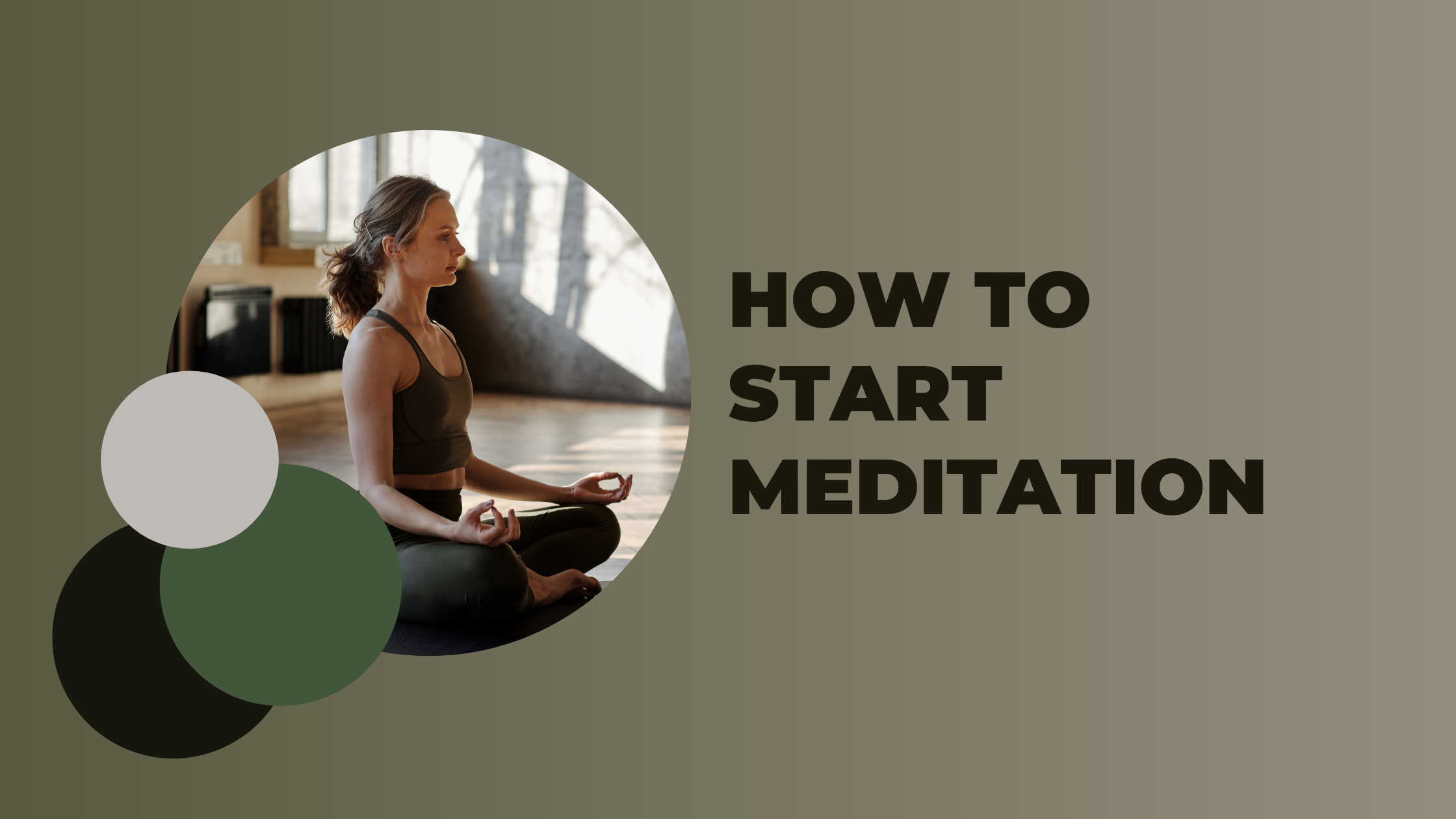
Most beginners find sitting in a simple cross-legged pose on a cushion or on a chair with feet flat on the floor works well. The “easy pose” with legs loosely crossed and hands resting on your knees encourages both stability and relaxation. If you have tight hips, sitting in a kneeling position or on a meditation bench can reduce strain and promote comfort. Experiment briefly with these postures to find one that keeps your body steady and your mind calm.
Importance of Posture in Mindfulness
Maintaining an upright spine prevents the sluggishness that slouching invites, helping you stay alert throughout meditation. A straight back supports better breathing by opening the chest, making each breath fuller and more noticeable. Discomfort caused by poor posture often becomes a distraction, pulling attention away from mindfulness. Cultivating good posture not only enhances your meditation experience but builds a healthy habit for your everyday awareness.
Research shows that posture directly influences mental states; for instance, an upright position can increase energy and reduce fatigue, while slumping may trigger feelings of lethargy or even depression. Your nervous system responds to body alignment, so adjusting how you sit sends signals that affect focus and mood. When you maintain a balanced posture, subtle adjustments in muscle tone and breathing create a stable foundation that keeps wandering thoughts at bay, making mindfulness more accessible even in brief sessions.
Breath Control: The Core of Meditation
Your breath is more than just a physical necessity—it’s the anchor of your meditation practice. Learning to observe and subtly guide your breathing can steady your mind and deepen your focus. Breath control helps regulate your nervous system, bringing a sense of calm that lays the foundation for meditative awareness. By tuning into the rhythm of your breath, you give yourself a simple yet powerful tool to stay present and avoid distraction, turning an everyday act into the heart of your mindfulness journey.
Understanding Your Breathing Patterns
Noticing how your breath naturally flows reveals patterns shaped by your emotions and environment. You might find your breathing shallow or rapid during stressful moments, or slow and deep when relaxed. Exploring these variations helps you identify when your mind is agitated or calm. Becoming aware of whether your breath feels tight in your chest or expansive in your belly gives you the insight to consciously shift it, which can significantly influence your mental state and meditation quality.
Techniques to Anchor Your Mind on Breath
Using specific techniques can strengthen your ability to hold attention on your breath, reducing wandering thoughts. Counting each inhale and exhale up to ten, focusing on the subtle pause between breaths, or mentally tracing the air moving through your nostrils are effective methods. These focused actions turn your awareness into a steady, deliberate exercise that tethers your mind, making distractions less likely to pull you away.
Among these techniques, counting breaths is especially accessible and measurable. You might inhale and count “one,” then exhale and count “two,” continuing up to ten before restarting. This method not only directs your mind but also creates a gentle challenge, sharpening your concentration. Alternatively, tracing the sensation of air entering and leaving your nose pulls you into the present moment with sensory detail. Experiment with these approaches to find which resonates most with your rhythm, helping you cultivate deeper engagement during meditation sessions.
Overcoming Mental Distractions
Thoughts will inevitably wander during meditation, pulling your attention away from your breath. Instead of fighting these distractions, acknowledge them briefly and gently redirect your focus. Each time you notice your mind drifting, see it as a natural part of the process, not a failure. Consistently bringing your attention back strengthens your mental clarity over time, making distractions less intrusive and your meditative sessions progressively deeper.
Techniques to Refocus When Thoughts Wander
Using subtle cues like counting your breaths or mentally repeating a calming word can anchor your focus. For example, silently saying “in” as you inhale and “out” as you exhale directs your awareness. Another technique involves visualizing the breath as a steady flow of light or air moving in and out. Experiment to find which method helps you return your attention swiftly and smoothly without frustration.
The Importance of Patience and Self-Compassion
Progress in meditation rarely follows a straight line; moments of distraction or restlessness are part of learning your mind’s patterns. Approaching these experiences with patience and kindness allows you to maintain motivation and avoid discouragement. Treating yourself with the same understanding you’d offer a friend encourages continued practice and deeper connection to the meditative process.
Many beginners struggle with inner self-criticism when their minds wander, which can create a counterproductive cycle of frustration. Research shows that a gentle, compassionate attitude toward yourself reduces stress hormones and supports cognitive flexibility. By embracing small setbacks as natural steps rather than flaws, you cultivate resilience and make it easier to engage with meditation consistently. This shift in mindset helps you transform meditation from a task into a mindful practice that nurtures your overall well-being.
Gradual Integration: Building a Meditation Habit
Ease meditation into your daily routine by starting small and consistently practicing. Even five minutes of focused breathing each day can create momentum, making meditation a natural part of your lifestyle. Over time, adding these moments during quiet intervals—like before bed or during a lunch break—helps solidify the habit without overwhelming your schedule.
Setting Realistic Time Goals
Choose achievable meditation durations based on your current lifestyle, such as three to five minutes per session. Short, regular periods are often more effective than sporadic longer ones. Adjust timing gradually as your comfort and focus improve, which supports steady progress without burnout.
Tracking Your Progress for Motivation
Logging your meditation sessions, whether in a journal or an app, offers tangible evidence of your practice and encourages consistency. Simple charts or notes about how you felt before and after meditating build awareness and reward your commitment over days and weeks.
Keeping track of your progress allows you to observe patterns, like which times of day yield the best focus or how certain environments affect your experience. Many meditators find apps with streak counts and reminders helpful, but even a basic journal entry noting duration and feelings can reveal motivating trends. This ongoing feedback makes the habit feel purposeful and supports adjusting your practice to fit your needs.